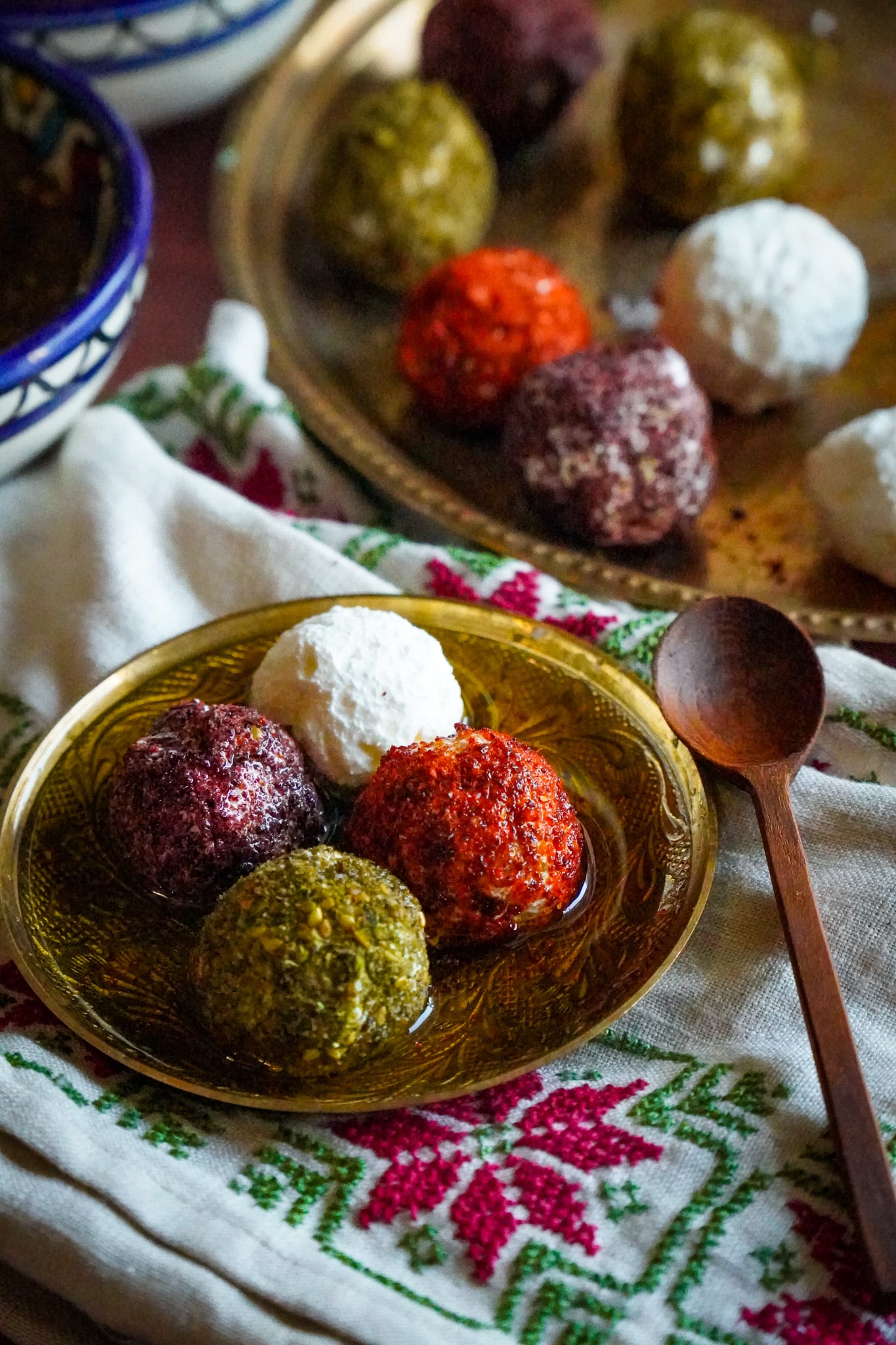
Embracing the Heart of Israeli Breakfast: The Allure of Labneh Cheese Balls
Imagine a vibrant table laden with fresh salads, warm pita bread, shimmering olive oil, and an array of cheeses. At the heart of a truly authentic Israeli breakfast, you'll inevitably find the irresistible presence of labneh cheese balls. These creamy, tangy spheres, often beautifully coated in a medley of spices, seeds, and nuts, are far more than just a dish; they represent a culinary tradition deeply woven into the fabric of Middle Eastern cuisine. While you might opt for briny feta or even a robust Emmenthaler, it's the homemade labneh balls, with their distinctive flavor and texture, that truly elevate the experience to an art form. Often known as *labaneh balls*, these delightful morsels offer a sophisticated tang and a wonderfully smooth texture that simply cannot be replicated by store-bought alternatives. They are a testament to the ingenuity of historical culinary practices, born out of a necessity for preservation in nomadic desert life. Fresh milk cheeses like labneh were commonplace, but shaping them into portable, durable balls preserved in olive oil was a highly prized innovation. This fascinating history, transitioning from a practical necessity to a cherished delicacy, highlights their enduring appeal. For a deeper dive into their origins, explore Nomadic Roots to Pantry Staple: The History of Labneh Balls. These little treasures embody the spirit of the "land of milk and honey," ensuring no Middle Eastern or Israeli breakfast feels complete without their unique charm.The Journey from Yogurt to Exquisite Labneh Cheese Balls: A Step-by-Step Guide
Crafting your own labneh cheese balls at home is surprisingly straightforward, requiring minimal ingredients but a bit of patience. The fundamental ingredient is plain yogurt, and the key to its transformation lies in the art of draining.Choosing Your Yogurt
For the best results, start with a good quality, full-fat plain yogurt. Whole cow's milk yogurt is traditionally used and offers the creamiest, tangiest outcome. While you can use lower-fat versions, the final labneh may be less rich. For those seeking a vegan alternative, the fattiest unflavored vegan yogurt you can find, such as a coconut culture yogurt, can work. Be aware that the flavor profile will differ, often being less tangy than its dairy counterpart, but it still makes a delicious spread.The Draining Process
This is the most crucial step, where the yogurt transforms into a thick, creamy cheese.- Prepare Your Setup: Lay out two layers of fine-weave cheesecloth over a colander or strainer. Place the colander over a deep bowl, ensuring there's enough space for the whey to collect without touching the bottom of the colander.
- Pour the Yogurt: Gently pour all the yogurt into the prepared cheesecloth-lined colander.
- Create a Sack: Gather the edges of the cheesecloth, tying them securely with twine or a rubber band to form a tight sack.
- Hang and Drain: Hang this yogurt sack over your sink or a deep bowl, allowing gravity to slowly draw out the whey. The draining time is key to achieving the desired consistency:
- For a spreadable labneh, drain for 8-12 hours.
- For firm *labneh cheese balls*, you'll need a longer drain, typically 18-24 hours. The longer it drains, the thicker and tangier the labneh becomes, perfect for rolling.
- Temperature Control: On a very hot day, or if draining for an extended period, transfer the draining yogurt to the refrigerator after the initial night. Continue to hang it in the fridge to ensure it remains cool and safe.
Unleashing Flavor: Creative Coatings and Serving Suggestions for Your Labneh Balls
With your homemade labneh ready, the fun truly begins: shaping and flavoring these exquisite cheese balls. This is where you can unleash your creativity and tailor the labneh to your preference.Shaping and Coating Your Labneh Balls
This step is wonderfully tactile and allows for immense personalization.- Prepare Your Station: Lightly oil your hands with a good quality olive oil. This prevents the labneh from sticking and adds to the richness of the finished product. Lay out your chosen spices, seeds, and nuts on separate flat plates or shallow dishes.
- Roll the Balls: Take small, even portions of the labneh and, using your well-oiled hands, roll them into smooth, bite-sized spheres. Aim for consistency in size for an attractive presentation.
- Coat with Flavor: Gently roll each labneh ball in a different spice mixture. The possibilities are endless, but here are some popular and incredibly flavorful suggestions:
- Za'atar: A quintessential Middle Eastern blend featuring sumac (for tang), sesame seeds (for crunch and nuttiness), and dried herbs like thyme or oregano. This is arguably the most classic coating.
- Paprika (Sweet or Smoked): Adds a beautiful red hue and a mild, earthy, or smoky flavor.
- Nigella Seeds (Black Cumin): These tiny black seeds offer a slightly bitter, oniony, and peppery flavor with a satisfying crunch.
- Chili Flakes: For those who appreciate a gentle warmth and a vibrant visual pop.
- Fresh Herbs: Finely chopped fresh chives, dill, or mint provide a fresh, aromatic contrast to the tangy labneh. Roll just before serving for best results.
- Sesame Seeds: Toasted sesame seeds offer a nutty crunch and a beautiful golden-brown appearance.
- Crushed Pistachios or Walnuts: For a touch of richness and varying textures.
- Sumac: If you love extra tang, a coating of pure sumac is fantastic.
Serving Your Labneh Masterpiece
Labneh cheese balls are incredibly versatile and shine in many culinary contexts.For a traditional Israeli breakfast, arrange your freshly coated Tangy Labneh Balls: Versatile & Spice-Coated Delights for Any Meal on a platter. Drizzle generously with high-quality extra virgin olive oil – this is non-negotiable for authentic flavor and to help preserve the balls. A final sprinkle of fresh chili flakes or a dash of sumac often completes the presentation.
Serve them alongside:
- Warm Bread: Challah, toasted pita, sourdough buns, or homemade sourdough bread are perfect for scooping up the labneh.
- Fresh Vegetables: Sliced cucumbers, tomatoes, radishes, and bell peppers offer a refreshing crunch and complement the rich cheese.
- Olives: A bowl of mixed olives adds another layer of Mediterranean flavor.
- Other Spreads: As part of a larger mezze, they pair beautifully with hummus, baba ghanoush, or creamy spreads.
Beyond Breakfast: Preserving Your Labneh Treasures and Exploring Variations
One of the great advantages of making labneh cheese balls is their excellent shelf life when properly preserved. This method not only extends their usability but also infuses them with the rich flavors of olive oil.Preserving in Olive Oil
Once your labneh balls are rolled and coated, they can be preserved in olive oil for extended enjoyment.- Choose a Jar: Select a clean, sterilized glass jar with a tight-fitting lid.
- Layer the Balls: Carefully place the labneh balls into the jar, leaving a little space at the top. You can layer different flavored balls together for an interesting medley.
- Cover with Oil: Pour high-quality extra virgin olive oil over the labneh balls, ensuring they are completely submerged. The oil acts as a natural preservative, creating an anaerobic environment that prevents spoilage.
- Seal and Store: Seal the jar tightly. Labneh balls preserved in olive oil can last for up to three months when stored in a cool, dark pantry. In warmer climates or if you prefer, refrigeration can extend their life further, though the oil might solidify slightly, returning to liquid at room temperature.
