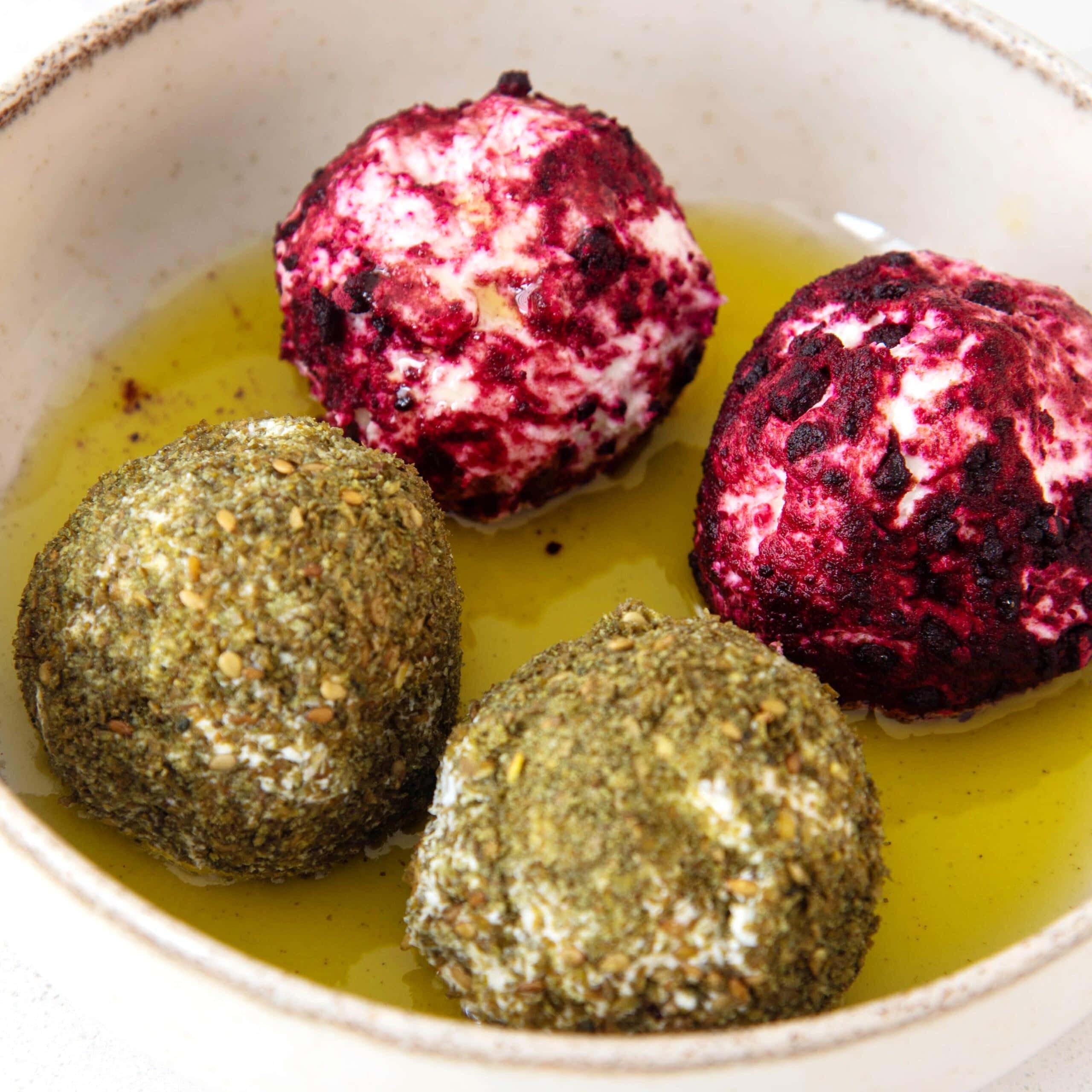
The Allure of Labneh Cheese Balls: Versatile & Spice-Coated Delights for Any Meal
Imagine a small, perfectly round sphere, its exterior vibrantly coated in aromatic spices, herbs, or seeds, giving way to an intensely creamy, tangy core. This is the captivating charm of labneh cheese balls – a delightful culinary creation that transcends its traditional roots to become a versatile highlight on any table. More than just a simple dairy product, these little gems embody a rich history, a simple art of preservation, and an explosion of flavor that makes them an indispensable part of Middle Eastern and Israeli cuisine. At their heart, labneh cheese balls are spheres of highly strained yogurt, transformed through a slow process of drainage into a thick, concentrated cheese-like consistency. Unlike the more common spreadable labneh, these balls are drained for an extended period, resulting in a firmer texture and a more pronounced tangy flavor, making them ideal for rolling and preserving. This extended straining process not only intensifies their taste but also allows them to be lovingly rolled in a variety of coatings – from vibrant za'atar and sumac to fresh chives or even a mix of toasted seeds. Each bite offers a harmonious balance of creamy richness and a refreshing tang, elevated by the aromatic crunch of their outer layer. Traditionally preserved in olive oil, they offer a depth of flavor and a surprising shelf life, making them a pantry staple worth mastering.Why Homemade Labneh Cheese Balls Reign Supreme
While store-bought options exist, the true magic of labneh cheese balls lies in their homemade preparation. Crafting them yourself offers unparalleled control over the quality of ingredients, allowing you to choose the freshest, creamiest yogurt and your favorite spices. The process, while requiring a bit of patience for the straining, is incredibly simple and deeply rewarding. There's an undeniable satisfaction in transforming humble yogurt into these gourmet delights, knowing precisely what went into them. Beyond the freshness and customizability, making your own labneh at home is also significantly more cost-effective than purchasing artisanal cheeses, yet delivers a far more authentic and robust flavor profile than many commercial alternatives. It's a culinary journey that connects you to generations of tradition and rewards you with a truly unique and delicious product.From Nomadic Necessity to Modern Delicacy: The Enduring Legacy of Labneh Balls
The story of labneh cheese balls is a fascinating narrative of innovation born out of necessity, deeply intertwined with the history of nomadic life in the Levant. For tribes traversing arid landscapes, preserving food was not merely a convenience but a matter of survival. Fresh milk was perishable, so ancient peoples devised ingenious methods to extend its life and make it portable. Straining yogurt was one such brilliant solution, reducing its water content and concentrating its nutrients, thereby creating a product that could withstand the rigors of travel and warm climates. This need for preservation gave birth to labneh, and its further transformation into small, olive-oil-preserved balls marked a significant culinary advancement. These dense, tangy spheres became a highly prized provision, easily packed and carried, offering vital sustenance and flavor on long journeys. They were, in essence, an early form of "portable protein" for ancient travelers. To delve deeper into this captivating history, read more about their origins: Nomadic Roots to Pantry Staple: The History of Labneh Balls.A Culinary Cornerstone in Middle Eastern Culture
Today, labneh cheese balls maintain their esteemed status as a cornerstone of Middle Eastern and Israeli cuisine. No traditional Israeli breakfast, often called a "boker tov" spread, would be complete without them. In a region famously dubbed the "land of milk and honey," cheese, especially fresh milk cheeses like labneh and feta, plays a pivotal role. While many breakfasts feature an array of cheeses, labneh stands out for its unique tangy profile and homemade appeal. Beyond breakfast, these delectable balls are a staple in mezze platters, served alongside hummus, baba ghanoush, and fresh vegetables, showcasing their versatility as an appetizer. Their inclusion on the table is not just about taste; it symbolizes hospitality, tradition, and the rich culinary heritage of the region. From humble beginnings as a nomadic provision, labneh cheese balls have evolved into a beloved delicacy, cherished for their flavor, history, and the comforting sense of home they evoke.Crafting Your Own Tangy Labneh Cheese Balls: A Step-by-Step Guide
Making your own labneh cheese balls is a surprisingly straightforward process that yields incredibly rewarding results. With just a few simple ingredients and a little patience, you can create these tangy, versatile delights in your own kitchen.Essential Ingredients and Equipment:
- Plain Yogurt: This is the foundation. For the most authentic and creamy labneh, opt for full-fat, plain cow's milk yogurt. The higher the fat content, the creamier and richer your labneh will be. If you're exploring vegan options, choose the fattiest unflavored vegan yogurt you can find, such as coconut culture yogurt, understanding that the flavor and tang may differ slightly.
- Salt: Essential for flavor and aiding the draining process.
- Cheesecloth: A crucial tool for straining the yogurt. Ensure it's food-grade and has a fine weave.
- Strainer or Colander: To hold the cheesecloth.
- Bowl: To collect the whey as the yogurt drains.
- Olive Oil: For preserving the finished balls and serving.
- Assorted Coatings: Your creative playground!
The Art of Draining: From Yogurt to Labneh
The first and most critical step is transforming yogurt into thick labneh. This involves draining excess whey, concentrating the yogurt's flavor and texture.
- Prepare Your Setup: Lay two layers of cheesecloth over a fine-mesh strainer or colander. Place the strainer over a bowl, ensuring there's enough space for the whey to drip without touching the bottom of the strainer.
- Salt the Yogurt: Stir a generous pinch of salt into your yogurt. The amount can vary based on your preference and the yogurt quantity, but a good starting point is about ½ teaspoon per 2 cups of yogurt.
- Pour and Tie: Carefully pour the salted yogurt into the cheesecloth. Gather the edges of the cheesecloth to form a tight sack. Secure it with kitchen twine or an elastic band.
- Hang to Drain: Suspend the yogurt sack from a kitchen cabinet handle, a sturdy hook, or even a wooden spoon laid across the top of a deep pot. The goal is to allow gravity to do its work, drawing out the whey.
- Patience is Key: Let the yogurt drain for at least 8 hours, and up to 24 hours. The longer it drains, the thicker and tangier your labneh will be, perfect for forming firm balls.
- Temperature Tip: If draining on a hot day, or for longer than 8-12 hours, transfer the draining yogurt (still hanging over its bowl) to the refrigerator to prevent spoilage.
- Check Consistency: After draining, the labneh should be very thick and firm, similar to soft cream cheese.
Forming and Coating Your Labneh Cheese Balls
Once your labneh is ready, it's time for the fun part – shaping and flavoring!
- Prepare Your Coatings: Lay out your chosen spices, seeds, or herbs on separate flat plates or shallow bowls. This is where your creativity shines!
- Classic Middle Eastern: Za'atar (a blend of dried thyme, sumac, and sesame seeds), pure sumac for a tangy, lemony zing, or vibrant chili flakes for a gentle kick.
- Herbal Freshness: Finely chopped fresh chives, dried mint, or a mix of Italian herbs.
- Nutty Crunch: Toasted sesame seeds, nigella seeds (for a subtle oniony flavor), or even finely crushed pistachios for a gourmet touch.
- Oil Your Hands: Lightly oil your hands with olive oil. This prevents the sticky labneh from adhering to your skin and helps create smooth, even balls.
- Roll into Balls: Scoop small portions of labneh (about a tablespoon) and gently roll them between your palms to form uniform spheres.
- Coat Generously: Roll each labneh ball in your chosen coating, ensuring it's evenly covered. Press gently if needed to help the spices adhere.
Serving and Preservation
Once coated, your labneh cheese balls are ready to be enjoyed or preserved.
- Immediate Serving: Arrange the balls on a serving platter, drizzle generously with good quality olive oil, and perhaps sprinkle with a few extra chili flakes or za'atar for garnish. Serve with fresh pita bread, toasted sourdough, challah, or an assortment of fresh vegetables like cucumbers and tomatoes. If you're short on time, you can also simply spread the labneh on a plate, drizzle with olive oil, and sprinkle with your chosen seasonings – delicious, even without the balling. For a deeper dive into making these for a traditional meal, check out: Craft Authentic Labneh Balls: Your Easy Guide to Israeli Breakfast.
- Preservation: For long-term enjoyment, carefully place the coated labneh cheese balls into a clean, airtight glass jar. Pour olive oil over them, ensuring they are completely submerged. This creates an oxygen-free environment that preserves them beautifully. Stored in a cool, dark pantry, preserved labneh balls can last for up to three months, becoming even more flavorful as they marinate in the oil.
