Nomadic Roots to Pantry Staple: The History of Labneh Balls
In the vibrant tapestry of Middle Eastern cuisine, few ingredients hold as much historical depth and culinary versatility as labneh. This creamy, tangy yogurt cheese, particularly in its spherical form – the beloved labneh cheese balls – tells a story of ingenuity, survival, and delicious tradition. From its humble origins as a crucial preservation method for nomadic tribes to its status as an indispensable component of modern Israeli and Levantine breakfasts, the journey of labneh balls is a testament to timeless culinary wisdom.
Walk into any authentic Israeli or Middle Eastern home, and a breakfast spread is simply incomplete without these delightful spheres. Coated in a medley of aromatic spices, crunchy seeds, and nutty textures, and typically preserved in luscious olive oil, labneh cheese balls offer a unique burst of flavor that balances richness with a distinctive tang. But how did this simple dairy product evolve into such a celebrated culinary icon? Let's delve into its fascinating past.
The Ancient Roots of a Dairy Delight: Labneh's Nomadic Origins
To understand the genesis of labneh cheese balls, we must journey back thousands of years to the sun-drenched landscapes of the Levant. Here, amidst arid deserts and fertile plains, nomadic tribes roamed, their lives dictated by the rhythm of their herds and the scarcity of resources. In an era long before refrigeration, preserving food was not just a convenience but a matter of survival. Milk, a precious commodity, quickly spoiled in the heat, necessitating innovative methods to extend its shelf life.
Yogurt, itself a product of milk fermentation, was an early solution. However, even yogurt had its limits in terms of portability and longevity. This critical need spurred the creation of labneh. By simply straining plain yogurt, removing its excess whey, these ancient peoples discovered they could transform fresh, perishable milk into a denser, tangier, and significantly more durable product. This strained yogurt, or labneh, became a vital source of nutrition that could withstand the rigors of travel and fluctuating temperatures.
The innovation didn't stop there. While spreadable labneh was a common and essential food, the true stroke of genius came with forming it into balls. These small, compact spheres were not only easier to portion and consume on the go but also presented an ideal form for long-term preservation. Rolling the concentrated labneh into tangy labneh balls and submerging them in olive oil – another abundant and historically significant product of the region – created a protective seal, allowing them to last for months, even in a non-refrigerated pantry. This transformation from a simple necessity to a highly prized and "fanciest" presentation showcases the culinary ingenuity born out of nomadic life.
From Fermentation to Formation: Crafting Labneh Cheese Balls
The magic behind labneh cheese balls lies in a deceptively simple process: extended straining. While regular labneh is drained for a shorter period, the creation of the firmer, more concentrated balls requires the yogurt to release significantly more whey. This intensified straining not only thickens the yogurt to a cheese-like consistency but also concentrates its flavors, resulting in a much tangier profile than its spreadable counterpart.
The process, perfected over millennia, typically involves pouring plain yogurt (traditionally from goat or sheep milk, though cow's milk is common today) into a cheesecloth-lined strainer. This "sack" of yogurt is then hung to drain, sometimes for as little as 12 hours, but often for 24 hours or even longer to achieve the desired firmness for balling. The longer the drain, the firmer and tangier the resulting labneh. This relatively short incubation and preparation time, compared to many aged cheeses, made labneh an accessible and practical dairy product for communities without sophisticated cheesemaking equipment.
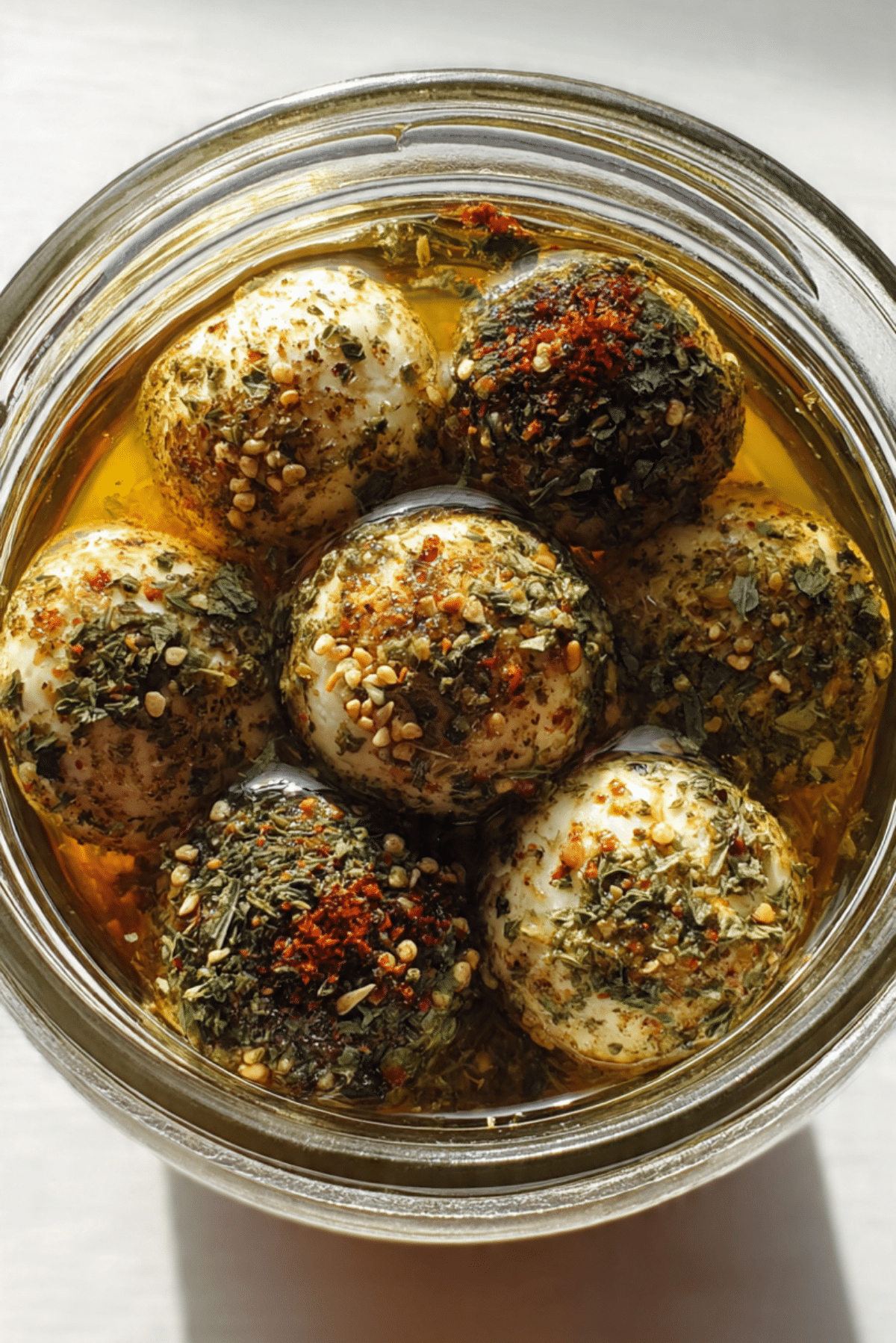
Once the labneh has reached its optimal consistency, it's ready for its iconic transformation. With well-oiled hands, small portions are rolled into uniform spheres. These labaneh balls are then traditionally rolled in a variety of seasonings. Common coatings include aromatic za'atar (a blend of thyme, sumac, and sesame seeds), spicy chili flakes, nutty sesame seeds, refreshing chopped chives, or even dried mint. Each coating adds another layer of texture and flavor, elevating the simple yogurt cheese into a complex culinary experience.
A Staple Transformed: The Culinary Versatility of Labneh Balls
While an undisputed star of the Middle Eastern breakfast table, labneh cheese balls transcend this initial role to grace various other meals and occasions. Their creamy texture and tangy core make them incredibly versatile. At breakfast, they are often served with a generous drizzle of olive oil, alongside warm pita bread, challah, sourdough buns, or an assortment of fresh vegetables like cucumbers and tomatoes. Their rich flavor provides a perfect counterpoint to the often savory and diverse elements of a traditional spread, from shakshuka to cottage cheese blintzes.
Beyond breakfast, labneh balls shine as a vital component of a mezze platter, the Middle Eastern equivalent of appetizers. Alongside staples like hummus, baba ghanoush, and various pickles, these spice-coated delights offer a refreshing and protein-rich addition. They can be enjoyed simply with crusty bread, or incorporated into salads, adding a burst of creamy tang. Some modern interpretations even see them crumbled over roasted vegetables or used as a unique topping for grain bowls, showcasing their adaptability in contemporary cuisine. Tangy Labneh Balls: Versatile & Spice-Coated Delights for Any Meal highlights just how adaptable these creations truly are.
Preservation and Pantry Power: The Olive Oil Legacy
One of the most enduring and practical aspects of labneh cheese balls is their traditional method of preservation: submerged in olive oil. This technique, rooted in ancient food preservation practices, is both brilliant and delicious. Olive oil, a staple of the Mediterranean diet, acts as a natural barrier, sealing the labneh balls from oxygen and preventing spoilage. This anaerobic environment effectively extends their shelf life significantly, often allowing them to be stored in a pantry for up to three months, making them a true "pantry staple."
This preservation method not only ensures longevity but also infuses the labneh with the rich, fruity notes of the olive oil, enhancing its flavor profile over time. The oil itself, after mingling with the tangy cheese and aromatic spices, becomes a flavorful condiment in its own right, perfect for dipping bread. The legacy of preserving labneh cheese balls in olive oil speaks volumes about the resourcefulness of past generations, turning a perishable item into a stable, ready-to-eat delicacy that could be enjoyed far beyond the harvesting season of milk.
Bringing Tradition Home: Making Your Own Labneh Cheese Balls
The beauty of labneh cheese balls lies not just in their history but also in their accessibility. While readily available in Middle Eastern markets, making them at home is surprisingly simple and deeply rewarding. The process requires minimal ingredients—primarily plain yogurt and salt—and a bit of patience for the straining process.
To embark on this culinary journey, you'll need two layers of cheesecloth, a strainer, and a bowl to catch the whey. Pour the yogurt into the cheesecloth, tie it into a neat sack, and hang it over a sink or bowl to drain for 12 to 24 hours (or even longer for extra firm labneh). In warmer climates, it's advisable to move the draining yogurt to the fridge after the first few hours. Once adequately drained, the resulting thick, creamy labneh is seasoned with a pinch of salt. Then, with lightly oiled hands to prevent sticking, roll small portions into balls. Finally, roll each ball in your chosen spice mixture – be it za'atar, chili flakes, sumac, or fresh herbs – before carefully placing them in a jar and covering them completely with high-quality olive oil. If time is short, simply serving the strained labneh spread on a plate with olive oil and spices is also a delicious option.
For those seeking vegan alternatives, using the fattiest unflavored vegan yogurt (such as coconut culture yogurt) can yield good results, though the flavor profile may be subtly different and less tangy than traditional dairy labneh.
Conclusion
From the arid plains where nomadic tribes sought ingenious ways to preserve their sustenance, to the bustling breakfast tables of the modern Middle East and beyond, the labneh cheese balls embody a rich culinary heritage. They are more than just a food; they are a symbol of resilience, resourcefulness, and the enduring power of simple, wholesome ingredients transformed through age-old techniques. Each tangy bite connects us to a tradition that spans millennia, reminding us that sometimes, the most profound culinary experiences are born from the most fundamental human needs.
